
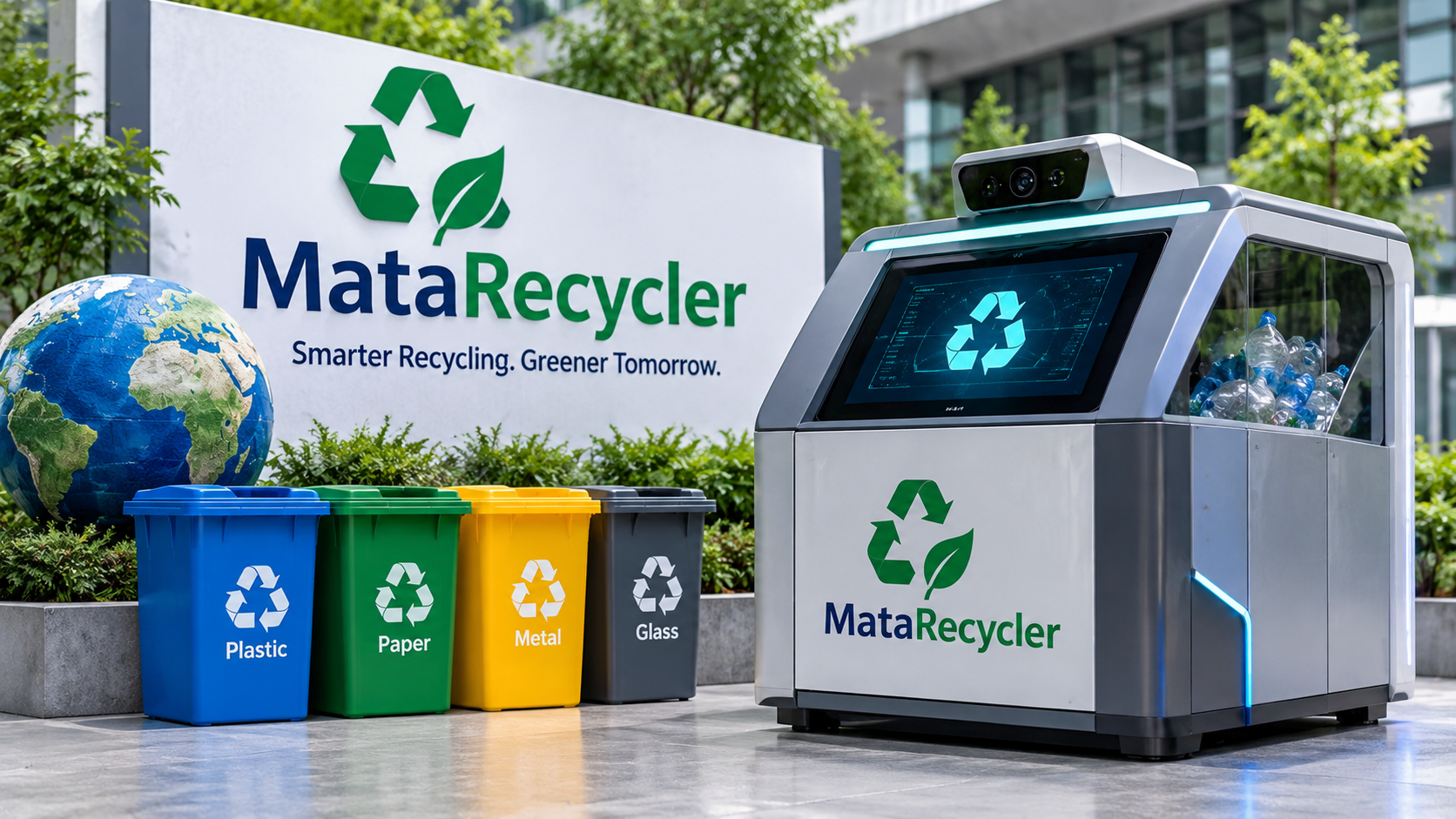
When you search for MataRecycler, you may find descriptions of an AI-powered recycling system that supposedly identifies waste, separates recyclable materials, and helps municipalities manage collections. However, there is an important distinction between those online claims and verified information. MataRecycler.com identifies itself as an educational platform about recycling and sustainability. A commercial AI recycling product under this name has not been independently established.
Understanding that difference matters if you are researching environmental technology or looking for practical recycling solutions. Here is what the available evidence actually tells us, how AI-assisted recycling works, and what you should know before trusting claims associated with MataRecycler.
What Is MataRecycler?
MataRecycler is an online name associated with recycling, environmental awareness, waste reduction, and sustainable practices.
According to its official About Us page, MataRecycler aims to make recycling information accessible to individuals, businesses, and communities. Its stated activities include publishing educational articles, explaining recycling methods, encouraging reuse, and sharing information about environmentally responsible practices.
This makes its website an information resource rather than a verified manufacturer of recycling machinery.
Some third-party publications describe MataRecycler differently. They present it as an advanced waste-management system that combines artificial intelligence, sensors, smart bins, and automated sorting equipment.
However, those descriptions do not establish that a commercial product with these capabilities actually operates under the MataRecycler name.
The distinction is important because real recycling technology exists, but that does not automatically verify every product description appearing online.
You can review the platform’s own description here: MataRecycler official About Us page.
Is MataRecycler Really an AI-Powered Recycling System?
The central question behind the keyword
At present, there is insufficient independently verifiable evidence to confirm MataRecycler as a commercial AI-powered recycling system.
Research did not establish a clearly identified manufacturer, technical product catalogue, published engineering documentation, independently evaluated performance report, or confirmed municipal installation associated with a physical MataRecycler product.
Some websites describe its supposed capabilities using familiar environmental technology terms, including:
-
Artificial intelligence for identifying different waste materials.
-
Smart sensors for detecting objects.
-
Automated sorting of plastic, paper, glass, and metals.
-
Digital monitoring of recycling operations.
-
Data analysis for improving waste collection.
These are technically realistic capabilities in the wider recycling industry. However, they should not be presented as confirmed MataRecycler features without supporting product documentation.
Why Are Different Websites Describing It as a Smart Recycling Machine?
The explanation may be connected to the growing interest in AI-assisted waste management.
Modern recycling companies already use computer vision, optical sensors, machine learning, and automated machinery. Consequently, descriptions of these technologies can sound convincing when attached to an unfamiliar name.
Another issue is that multiple websites repeat similar claims without identifying the original manufacturer or providing independent evidence.
Repeating a technical claim across several articles does not make it independently verified.
For readers, the safest approach is to distinguish between an established technology and a specific product that has not been documented.
How Does AI-Powered Recycling Actually Work?
Although MataRecycler’s claimed machinery remains unverified, AI-assisted recycling is a real area of technological development.
Established recycling systems use different combinations of cameras, sensors, software, and mechanical equipment to identify and separate materials.
Here is how the general process works.
1. Waste Identification Through Cameras
Computer vision systems analyse images of objects moving through a recycling facility.
The software can recognise visual characteristics such as shape, colour, size, and packaging type.
This information helps the sorting equipment distinguish between different objects.
2. Material Recognition Using Sensors
Some industrial systems use optical and other sensor technologies to identify materials that may look similar.
For example, different plastic types can require different recycling processes. Identifying the correct material helps facilities separate them into appropriate streams.
3. Automated Waste Separation
Once an object has been identified, mechanical equipment can direct it towards a selected collection area.
Depending on the installation, this may involve air jets, conveyor systems, robotic equipment, or other sorting mechanisms.
Automation can reduce the amount of repetitive manual sorting required, although human supervision and quality control remain important.
4. Data Collection and Performance Monitoring
Connected recycling systems can record information about material recovery, sorting quality, and equipment performance.
Operators can use this information to identify operational problems and make adjustments.
This is particularly useful for large recycling facilities processing substantial quantities of mixed waste.
Real Examples of AI Recycling Technology
To understand what a genuine smart recycling product looks like, it helps to examine companies and projects with identifiable technology and public documentation.
Two useful examples are TOMRA and CleanRobotics.
TOMRA: Deep Learning for Industrial Waste Sorting
TOMRA develops sorting technology for recycling and other industries.
Its official deep learning documentation explains how artificial neural networks and object recognition help identify materials moving through sorting lines.
The technology compares objects against labelled image data to recognise materials that may be difficult to classify using conventional sorting methods.
TOMRA also explains that deep learning can help improve material separation and provide information that recycling operators can use when managing their facilities.
This is a documented example of AI being applied to industrial recycling, rather than an unverified description attached to an unfamiliar product name.
Learn more through TOMRA’s official deep learning explanation.
CleanRobotics: TrashBot Smart Recycling Bin
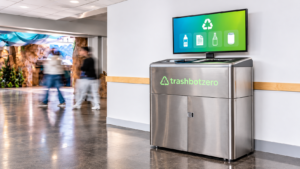
Another documented example is TrashBot, developed by CleanRobotics.
The US Environmental Protection Agency describes TrashBot as a smart recycling bin that uses machine learning and cloud storage to identify discarded objects and assess contamination.
It can direct acceptable materials towards recycling or compost streams while sending unsuitable items to landfill.
The system is designed for locations such as airports, hospitals, and stadiums, where people frequently dispose of packaging and other waste.
The EPA also documents its support for the technology through its Small Business Innovation Research programme.
This example demonstrates what verifiable environmental technology looks like: an identifiable developer, a documented purpose, and information published by an established public agency.
Read the EPA’s TrashBot technology overview.
What Benefits Can Smart Recycling Technology Provide?
AI-assisted recycling can offer practical advantages when the equipment is properly selected and integrated into an existing waste-management operation.
However, these benefits depend on the specific technology, waste composition, operating conditions, and quality of local recycling infrastructure.
Better Material Separation
Automated recognition can help distinguish between materials that might otherwise be mixed together.
Better separation can improve the quality of recovered materials and reduce contamination in selected recycling streams.
More Consistent Sorting Operations
Automated systems can perform repetitive identification and separation tasks continuously.
This can help large facilities manage material volumes while allowing employees to focus on supervision, maintenance, and quality checks.
Improved Operational Information
Digital monitoring can give facility managers information about material recovery, equipment performance, and sorting quality.
These records can help identify problems that might otherwise remain unnoticed.
Better Public Recycling Awareness
Smart bins can also help people understand how to dispose of different materials.
For example, a connected waste bin with an educational display can explain why an item belongs in a particular waste stream.
However, technology alone cannot guarantee better recycling habits. Clear instructions and accessible collection services remain necessary.
Can AI Recycling Systems Improve Municipal Waste Collection?
Municipal waste collection involves more than identifying plastic bottles and separating paper from metal.
Local authorities must organise collection schedules, maintain vehicles, manage disposal facilities, communicate recycling rules, and monitor waste volumes.
AI and connected devices can support some of these responsibilities.
For example, sensor-equipped collection bins can provide information about their filling levels. Collection managers may use this information to understand where additional collection capacity is needed.
Digital platforms can also help record collection activity and identify patterns in waste generation.
However, it is important to separate these general capabilities from the claims associated with MataRecycler.
No verified municipal deployment or operational collection network specifically associated with MataRecycler was identified during this research.
What Are the Limitations of AI-Powered Recycling?
AI can improve certain recycling operations, but it does not solve every waste-management problem.
There are several practical limitations worth understanding.
Initial Equipment Costs
Industrial sorting equipment can require significant investment.
Facilities may need cameras, sensors, conveyors, mechanical sorting equipment, software, and installation work.
Smaller municipalities may find it difficult to justify these costs without evidence that the equipment will improve their operations.
Contaminated Materials
Food residue, liquids, mixed packaging, and damaged materials can make identification more difficult.
Even advanced recognition systems cannot guarantee that every discarded object will be correctly classified.
Maintenance and Technical Support
Automated equipment needs regular maintenance.
Cameras, sensors, moving components, and software may require inspection, repair, or updates.
A recycling facility must consider these ongoing responsibilities before investing in automation.
Local Recycling Infrastructure
A sorting machine cannot create a complete recycling system by itself.
Collected materials still need appropriate processing facilities and manufacturers willing to use recovered resources.
The US Environmental Protection Agency explains that recycling involves three connected stages: collection, processing, and remanufacturing.
This means that successful recycling depends on the entire system, not simply the technology used to separate waste.
How Can You Verify Claims About MataRecycler?
If you encounter a website describing MataRecycler as a commercial AI recycling solution, check the evidence before accepting its claims.
The following points provide a useful starting point.
1. Identify the manufacturer.
Look for a registered business name, official company website, identifiable management team, and verifiable contact information.
2. Request technical documentation.
A genuine commercial product should have information explaining its hardware, software, intended applications, and operating requirements.
3. Check installation records.
Look for named recycling facilities, municipalities, or organisations that have publicly confirmed using the equipment.
4. Examine performance claims.
If a website advertises 95% sorting accuracy or a major increase in recycling rates, look for an independent report explaining how those figures were measured.
5. Check the purchasing information.
A commercial product should have identifiable sales channels, pricing information or a quotation process, warranty details, and technical support arrangements.
These checks are particularly important for municipalities and organisations considering environmental technology investments.
What Does the Future of Smart Recycling Look Like?
The future of recycling is likely to involve closer cooperation between automated machinery, AI software, connected devices, and established waste-management infrastructure.
Computer vision may help identify more complicated packaging materials. Connected monitoring systems may provide better information about collection and processing operations. Digital records may also help organisations understand how much material is being recovered and where losses occur.
Companies such as TOMRA demonstrate that some of these technologies are already being developed and used.
Nevertheless, progress will depend on more than advanced software. Affordable equipment, reliable collection services, suitable processing facilities, and consistent recycling standards will remain essential.
For MataRecycler, the important next step would be publicly verifiable evidence establishing whether the name represents a particular commercial technology or primarily an educational publishing platform.
Until that evidence becomes available, it is better to discuss its AI recycling claims cautiously rather than present them as established facts.
Final Verdict
MataRecycler is an interesting search term connected to recycling education and discussions about smart waste management. However, its online identity and the claims surrounding its supposed AI-powered machinery need to be considered separately. Its official website describes an educational resource, while the commercial AI recycling system described by some third-party publications remains unverified.
That does not make AI-assisted recycling unrealistic. Companies such as TOMRA and CleanRobotics demonstrate that artificial intelligence is already being applied to material identification, automated sorting, and waste management.
The most responsible conclusion is straightforward: MataRecycler should currently be treated as a recycling-related information platform, not a proven AI recycling product. Readers interested in environmental technology should prioritise documented manufacturers, transparent technical information, and independently verifiable results.
FAQs
What is MataRecycler used for?
MataRecycler.com describes itself as an educational platform covering recycling, sustainability, waste reduction, and environmental awareness. Some third-party articles associate the name with AI-powered waste sorting, but a commercial system with those capabilities has not been independently verified.
Is MataRecycler a real AI recycling machine?
There is currently insufficient reliable evidence to confirm a physical AI recycling machine operating under the MataRecycler name. Established AI recycling products exist, but their documented capabilities should not automatically be attributed to MataRecycler.
Does MataRecycler use artificial intelligence?
Some online descriptions make this claim, mentioning computer vision, smart sensors, and automated waste sorting. However, publicly verifiable technical documentation connecting those features to a specific MataRecycler product has not been established.
Can AI technology improve recycling?
Yes. AI can help identify waste materials, support automated sorting, monitor contamination, and provide operational information. TOMRA’s deep learning technology and CleanRobotics’ TrashBot are documented examples of AI-assisted recycling applications.
Is MataRecycler suitable for municipal waste management?
There is no independently confirmed evidence establishing MataRecycler as an operational municipal waste-management solution. Municipal authorities should evaluate documented equipment, installation records, maintenance requirements, and independently measured results before selecting any technology.